About Us
A Natural Paradise for the National Treasure, Our Retreat from the World


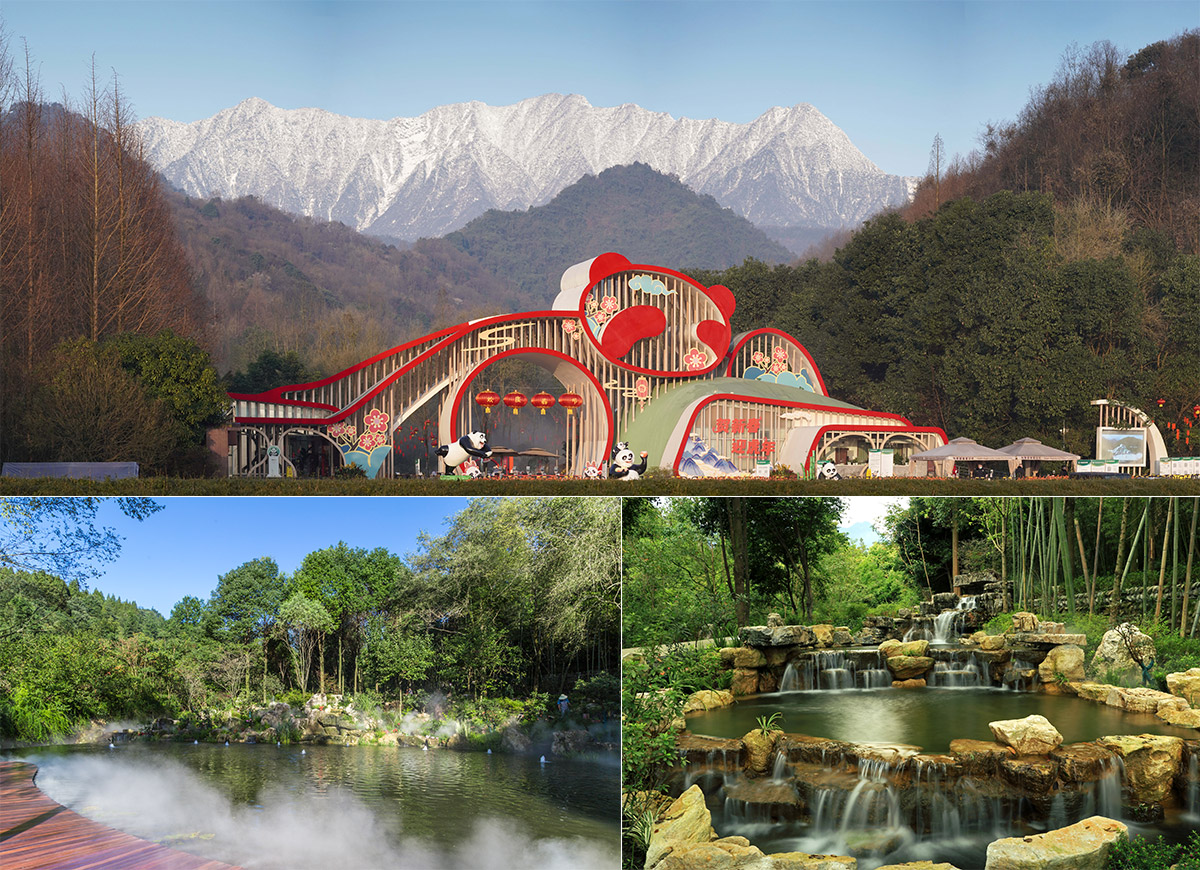
The Chengdu Research Base of Giant Panda Breeding (the Panda Base for short) is located at 1375 Panda Avenue, Chenghua District, Chengdu City, Sichuan Province, China. It is 10 km from the city center (Tianfu Square), about 30 km from Shuangliu International Airport, and about 50 km from Tianfu International Airport. The core area covers 3,570 mu (approx. 238 hectares). It is a world-renowned base for giant panda ex-situ conservation, scientific research and breeding, science popularization education, and cultural tourism, and is globally renowned for protecting and breeding giant pandas, red pandas and other rare wild animal species endemic to China.
The Dujiangyan Field Research Center for Giant Pandas (Panda Valley) serves as an affiliated field research facility under the Panda Base. Covering an area of 2,004 mu with an elevation of 740–1,161 meters, it is situated in Majiagou, Yutang Town, Dujiangyan City, adjacent to the millennium-old Dujiangyan Water Conservancy Project and Mount Qingcheng, a Taoist sacred site. It is 50 km from Chengdu and about 3 km from downtown Dujiangyan. It boasts easy transport access via the Chengdu-Dujiangyan Expressway, light rail, and the ring road linking Zhaogong Mountain and Mount Qingcheng. Panda Valley officially opened to the public on April 20, 2015, and is primarily engaged in giant panda-centered wildlife and plant conservation, pre release training and reintroduction, nature education, and ecotourism.
I. Scientific Research and Conservation of Giant Pandas
Over the past three decades, through a series of innovative scientific research efforts, the Panda Base has addressed core technical hurdles and overcome numerous research bottlenecks in areas such as captive husbandry and management, breeding and cub rearing, disease prevention and control, and population genetic management, delivering a host of original scientific achievements. It is widely recognized at home and abroad as the demonstration unit for ex-situ giant panda conservation with top‑tier research capacity, abundant proprietary breakthroughs, and wide‑reaching application outcomes. In 2014, the Panda Base was jointly awarded the honorary title of “National Advanced Collective of Professional and Technical Personnel” by the Organization Department of the CPC Central Committee, the Publicity Department of the CPC Central Committee, the Ministry of Human Resources and Social Security, and the Ministry of Science and Technology.
II. Giant Panda Science Popularization Education
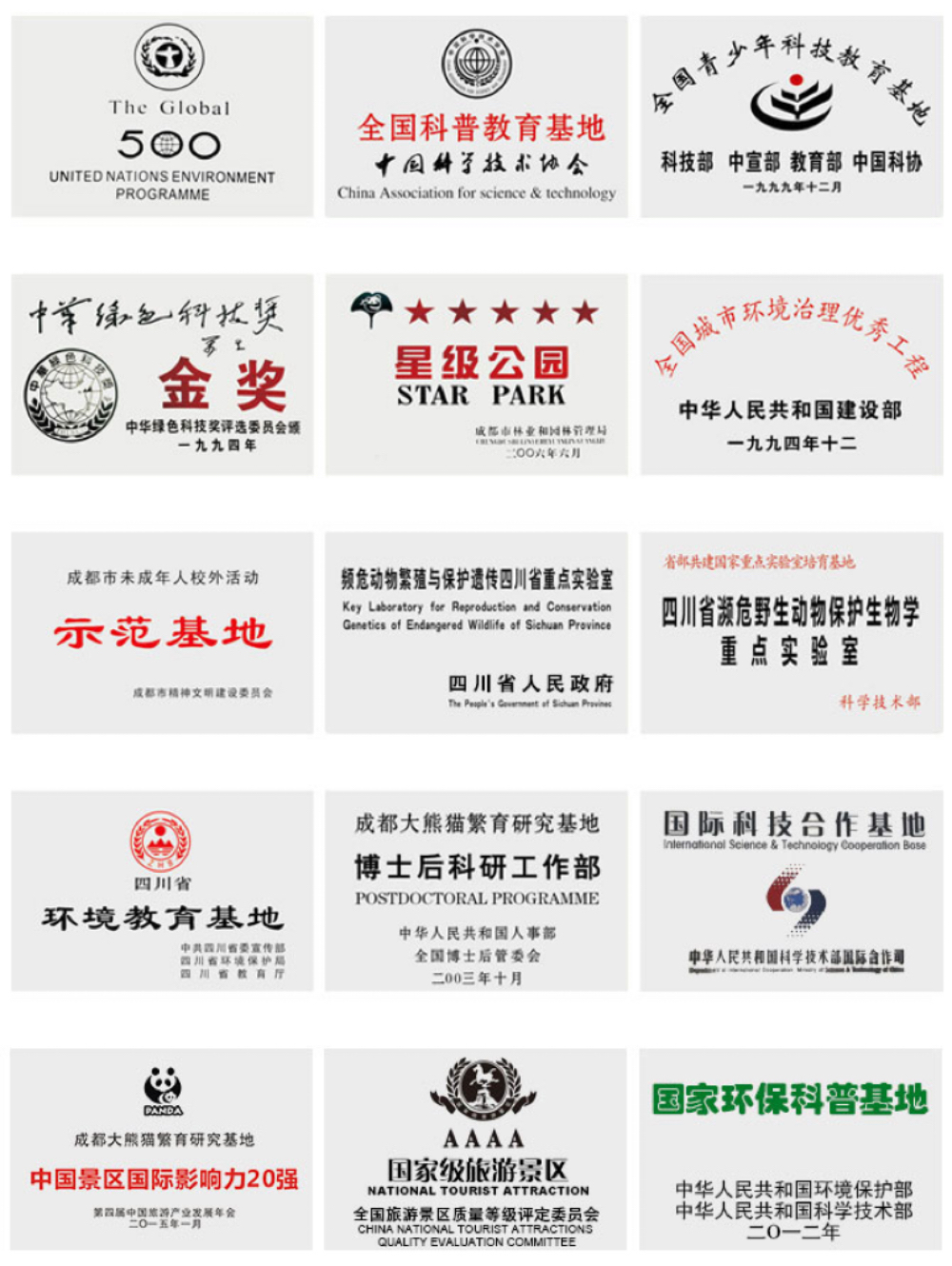
In 2000, the Panda Base took the lead in establishing a dedicated science popularization education department within China’s wildlife conservation system. In 2021, it completed and opened the world’s first interactive, themed museum dedicated to giant pandas. Over the past decade, it has conducted or co-conducted more than 3,600 science popularization activities of various types. It has been successively recognized as a National Science Popularization Education Base, a National Youth Science and Technology Education Base, a National Ecological and Environmental Science Popularization Base, a “Xuexi Qiangguo” Science Popularization Base, a National Youth Nature Education Green Camp, and a Cross-Strait Exchange Base. The Panda Base is committed to creating distinctive science popularization service programs to offer visitors in-depth, professional and educational tour experiences. It features eight major science popularization education display scenes, including the Giant Panda Theme Museum and the Panda Scientific Discovery Center, has developed nine major study tour courses, and has established eight major science popularization education event brands. Its interactive “Panda Chat” program brings science popularization right to the giant panda and red panda enclosures. Visitors can observe the animals on-site while learning about their biological traits, habitats and the conservation work underway - seamlessly weaving popular science into the touring experience. Centered on giant panda research and conservation, the annual “First Lesson of the Term” adopts an innovative musical theater format, combining on‑site experience with live online streaming, to deliver an entertaining and educational open class to over 20 primary and secondary schools, sharing giant panda conservation knowledge and cutting-edge scientific achievements while fostering public awareness of ecological preservation. Meanwhile, to meet diversified science popularization education needs, the Panda Base has launched customized science popularization education activities since 2025, offering visitors customized science popularization education activities such as the “Immersive Practical Course on Giant Panda Scientific Diet,” “Exploring the Ecological Codes in Giant Panda Feces,” and the “Giant Panda Enrichment Designer Experience.”
III. Cultural Tourism of Giant Pandas
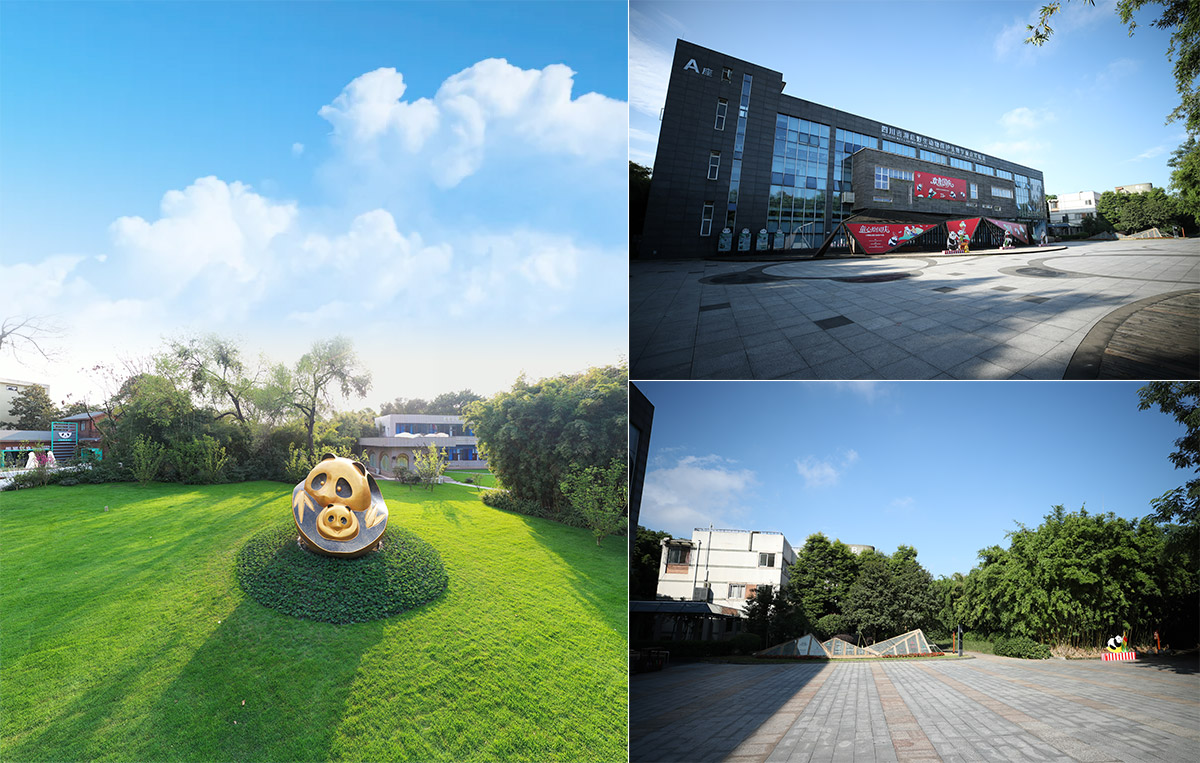
Drawing on achievements in scientific research, conservation, and cultural development, the Panda Base reinvents the visitor experience to build a multi-experience scenic area integrating eco-tourism, science popularization tourism and cultural tourism, forming an integrated sustainable development model of industry, education, research and tourism. The park’s landscaping recreates the giant pandas’ native wild habitats. Giant panda nursery houses, panda husbandry zones, scientific research laboratories, and a panda hospital are neatly laid out, while a number of premium panda “villas” are scattered among the mountains and forests. The Base is divided into four distinctive themed zones: Panda Creek Valley, Panda Forest Area, Panda Reception Hall and Panda Villa Area. The Panda Base actively advances culture-driven integrated tourism development, focusing on developing integrated cultural and tourism programs that showcase a deep integration of cultural connotations and ecological value, creating three iconic cultural venues including the Bamboo Tower and the Panda Art Museum. It enhances the visitor experience through a four-tier visitor service system: in-person guided tours, private customized tours, self-service audio guides, and AI audio guides. It has launched interactive programs with goldfish and swans, adding more recreational value to the visit. Nearly 60 cultural and creative merchandise experience spots and specialty food & beverage outlets fully display the cultural heritage and unique charm of the giant panda IP. These spots are distributed along the main visitor routes and rest areas of the Base, allowing visitors to take home lasting memories and unique souvenirs.
IV. International Giant Panda Exchange
As the national-level “International Science and Technology Cooperation Base” and the “Sichuan Provincial Demonstration Base of International Science and Technology Cooperation,” the Panda Base has established research cooperation with 46 research and conservation institutions across 17 countries and regions, and has hosted the Annual Conference of the Giant Panda Breeding Technical Committee for 29 consecutive years, thus establishing an international exchange platform for giant panda conservation.